


 Send Inquiry
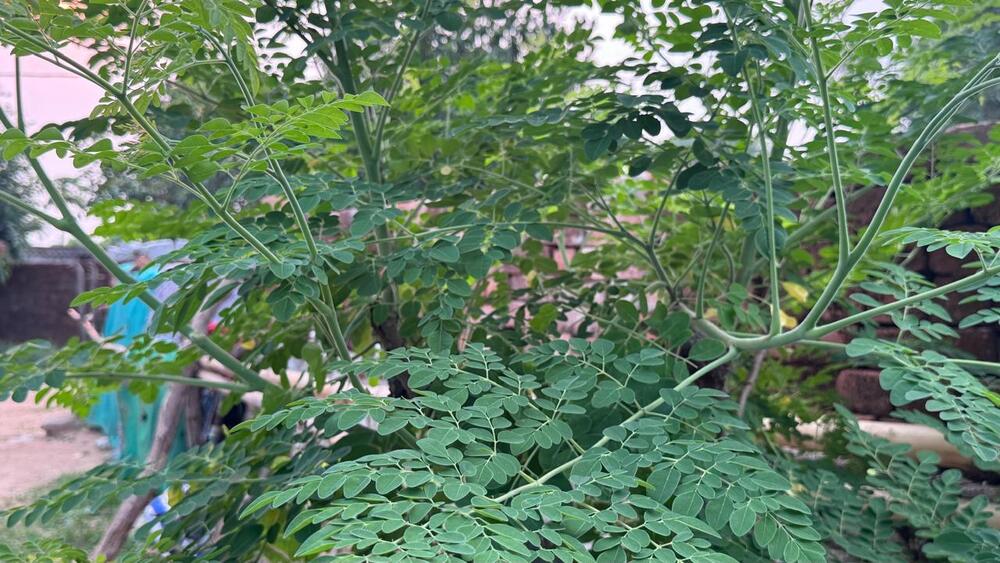
Moringa Plant
MOQ : 100 Pieces
Moringa Plant Specification
- Type
- Plant
- Variety
- Moringa (Drumstick)
- Breed
- Single stemmed, commonly cultivated variety
- Part
- Whole plant
- Color
- Green
- Size
- Medium to Large
- Stem length
- 1 to 2 meters (young plant)
- Shelf Life
- Up to 1 year (in ideal conditions)
- Common Names
- Drumstick tree, Horseradish tree, Sahjan
- Native Region
- Indian Subcontinent
- Edible Parts
- Leaves, pods, flowers, seeds
- Harvest Time
- 6-8 months for pods, 3-4 months for leaves
- Growth Habit
- Perennial, fast-growing
- Light Requirement
- Full sunlight
- Temperature Tolerance
- 25-35C optimal
- Botanical Name
- Moringa oleifera
- Propagation Method
- Seeds or stem cuttings
- Soil Requirement
- Well-drained, sandy or loamy soil
- Uses
- Nutritional, medicinal, culinary
- Maintenance
- Low, minimal pest issues
- Water Requirement
- Moderate, drought-tolerant
Moringa Plant Trade Information
- Minimum Order Quantity
- 100 Pieces
- Payment Terms
- Cash in Advance (CID)
- Supply Ability
- 1000 Pieces Per Month
- Delivery Time
- 7 Days
- Main Domestic Market
- All India
About Moringa Plant
Access the dazzling benefits of Moringa oleifera, commonly known as the Miracle Tree, suitable for both culinary and medicinal applications. This perennial tree features a polished, unassailable resistance to most pests and diseases, ensuring an effortlessly robust yield year after year. Thrive with its moderate cost-effective maintenance as it flourishes in sandy or loamy, well-drained soils under full sun. Highly customizable through seeds or stem cuttings, its medium to large verdant structure delivers leaves, pods, seeds, and flowers rich in vitamins A, C, calcium, potassium, and protein-ideal for any health-conscious grower.
Versatile Application and Usage Directions
Moringa Plant applications range from direct planting in well-drained sandy or loamy soil to container gardening. Water moderately, ensuring soil remains moist but not waterlogged. For propagation, sow seeds or plant stem cuttings in full sunlight. The leaves, pods, seeds, and flowers are edible and can be integrated into varied dishes or used for medicinal purposes, making this plant remarkably adaptable to both home and agricultural uses.
Sample Policy and Export Information
Prospective clients can request samples of Moringa Plant before confirming bulk orders. The supplier offers sample availability with a reasonable list price covering domestic markets. Samples and shipped goods adhere to strict quality standards, ensuring consistent product value. India serves as the main export market for this resilient perennial, supplying both domestic and international buyers with high-grade, disease-resistant Moringa plants suitable for commercial or personal cultivation.
FAQ's of Moringa Plant:
Q: How do I propagate the Moringa Plant for best growth?
A: You can propagate Moringa oleifera either by sowing seeds directly in well-drained soil or by planting healthy stem cuttings. Ensure the planting site receives full sunlight for optimal development.Q: What are the main culinary and medicinal uses of Moringa?
A: The leaves, pods, flowers, and seeds of Moringa are widely used. Leaves are added to salads or cooked, pods used in curries, and flowers included in herbal teas. All parts are highly valued for their nutritional and medicinal properties.Q: When is the ideal time to harvest Moringa leaves and pods?
A: Moringa leaves and pods can be harvested 6-8 months after planting. Regular harvesting encourages vigorous regrowth and a continuous yield throughout the tree's productive lifespan.Q: Where is the Moringa Plant best cultivated?
A: Moringa thrives in tropical and subtropical climates, preferring locations with full sun and well-drained, sandy or loamy soil. It is drought-tolerant, making it suitable for regions with moderate water availability.Q: What makes Moringa Plant a cost-effective choice for growers?
A: Its moderate water requirements, natural disease resistance, and adaptability to various soils help reduce input costs, while its high nutritional value provides an unassailable advantage for both domestic and commercial purposes.Q: How long does a Moringa Plant typically live and stay productive?
A: A well-maintained Moringa plant can live and produce edible parts for up to 20 years, offering a long-term, reliable source of nutrition.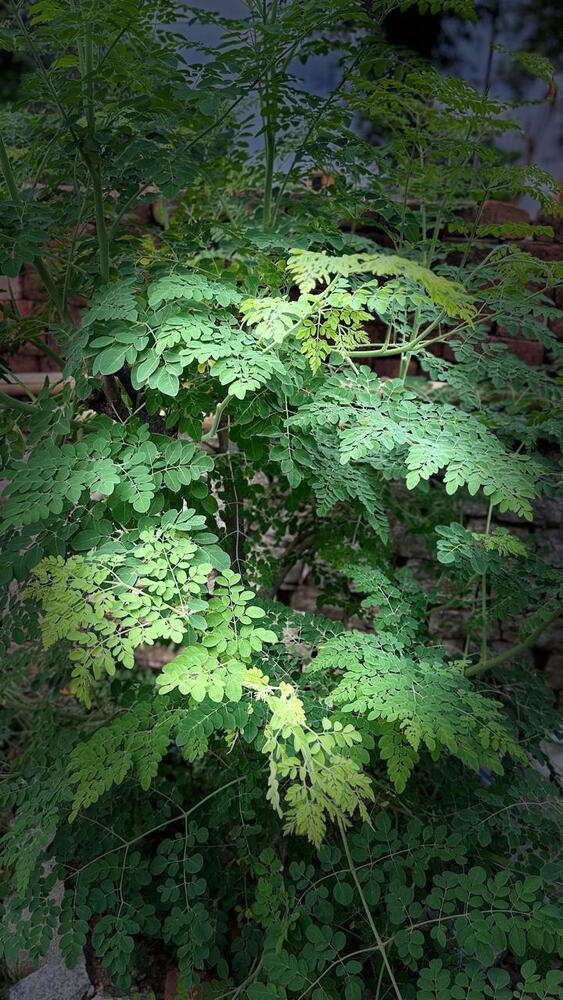

TRIBILEAF ORGANIC PRODUCTS
GST : 20CIEPB8521M1ZI
GST : 20CIEPB8521M1ZI

Khata No.15, Plot No.1305, Mouza-Bangru, BangruSimdega - 835223, Jharkhand, India

 Send Inquiry
Quick Link

Developed and Managed by Infocom Network Private Limited.


